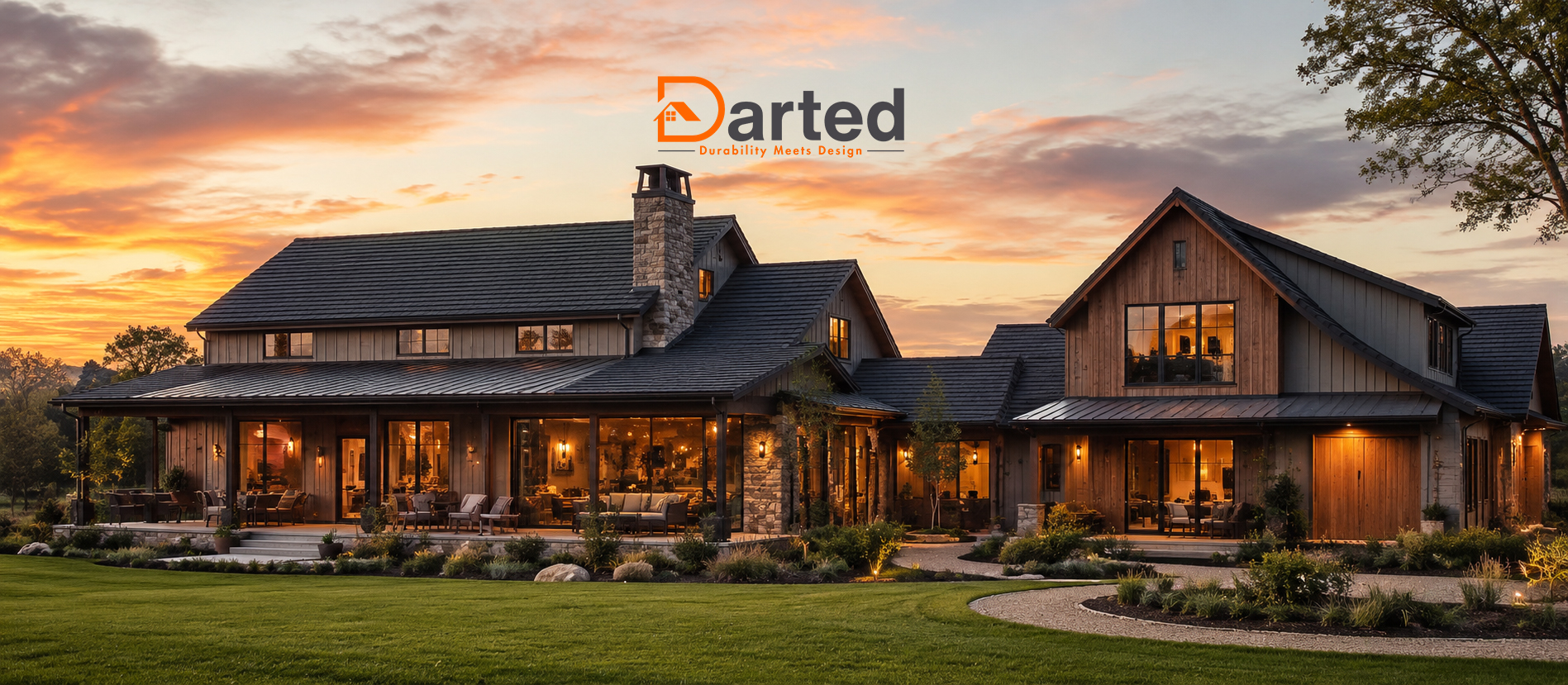
In the realm of premium residential architecture, the roof has long been a point of compromise. Architects have traditionally had to choose between the heavy, authentic aesthetic of clay tiles and the lightweight, industrial durability of metal. However, as we move into 2026, a significant shift is occurring in the Indian luxury landscape. The emergence of Stone Coated Steel Roofing has effectively bridged the gap, offering a high-performance “envelope” that satisfies both the structural engineer and the aesthetic designer.
1. Structural Optimization: The “Dead Load” Advantage
One of the most compelling reasons architects are specifying Stone Coated Steel Roofing is the massive reduction in structural dead load. Traditional concrete or clay tiles weigh between 40kg to 50kg per sq.m. For a large-scale villa or resort, this weight necessitates heavy-duty support columns and deep foundations.
By switching to stone coated steel – which weighs approximately 6.5kg per sq.m – architects can design slimmer, more minimalist support structures. This not only reduces the overall cost of the steel or timber truss system but also allows for larger open spans and cantilevered designs that were previously structurally prohibitive.
2. Performance in the Indian Extreme
India’s climate presents a dual challenge: intense UV radiation and heavy monsoon cycles. Standard roofing sheets often fall short in both thermal insulation and acoustic comfort. Stone Coated Steel Roofing, specifically systems like those from Darted, utilizes a multi-layered approach to combat these issues.
- Thermal Barrier: The core of the tile is AZ-150 Galvalume, a high-performance Zinc-Aluminum alloy that reflects a significant portion of heat. When installed with the proper air-gap, it naturally reduces indoor temperatures, lowering the HVAC load for the end client—a key factor in modern green building design.
- Acoustic Dampening: The “drumming” sound of rain on metal is a common complaint. The volcanic stone granules embedded in the surface of these steel tiles act as natural sound absorbers, dampening the impact of rain and hail to create a tranquil interior environment.
3. Aesthetic Versatility: From Shingle to Roman
Architects no longer have to settle for the “shed-like” appearance of traditional metal roofing. Stone Coated Steel Roofing is available in diverse profiles that mimic the world’s most popular architectural styles. Whether a project calls for the rustic charm of a wood-style Shingle, the classical elegance of a Roman tile, or the clean lines of a Bond profile, the material provides deep textures and shadows that define a building’s character. With over 15+ premium color options, it offers a palette that can blend into the natural landscape or stand out as a modern statement.
4. Longevity and “Set-and-Forget” Specification
For an architect, the legacy of a project is tied to its longevity. Clay tiles are notorious for cracking, moss growth, and leakage over time. Stone coated steel is virtually unbreakable. It is resistant to fire, high winds (rated for cyclonic speeds), and impact from hail. By specifying a system with a 20-to-50-year durability promise, architects ensure their projects remain maintenance-free and visually pristine for decades, protecting their professional reputation.
Conclusion
The transition toward Stone Coated Steel Roofing represents the evolution of the Indian construction industry. It is a material that understands the modern architect’s need for efficiency without sacrificing the soul of the design. As we continue to build for a future that demands sustainability, speed, and sophistication, stone coated steel has firmly established itself as the roof of choice for the next generation of luxury homes.