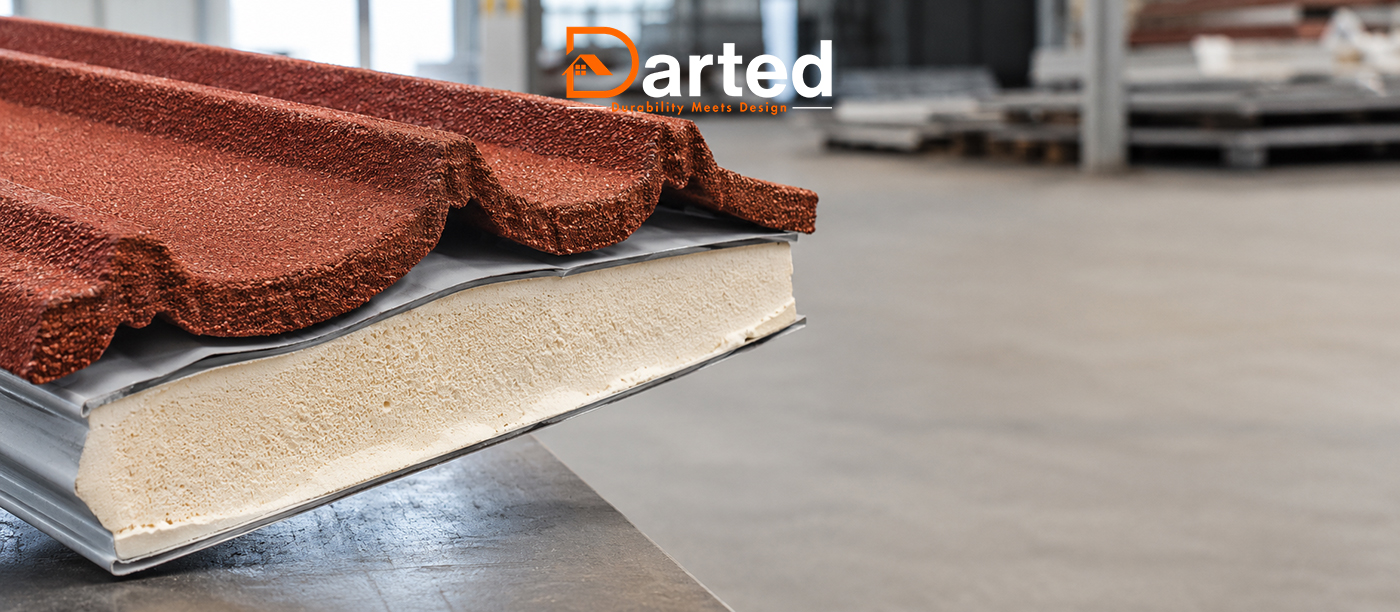
If you’ve priced out insulated metal roofing sheets against plain ones, you’ve probably noticed the gap isn’t small. So the real question isn’t “are they better”, of course they are, on paper. The real question is whether the added cost actually pays off for your specific home and location.
Having installed roofing across very different Indian climates, I can tell you the honest answer: it depends heavily on where you live and how the building is used. Let’s break down when insulated sheets earn their price, and when you can skip them.
In Short
Insulated metal roofing sheets, sandwich panels with a foam core between two metal skins, significantly reduce heat transfer and noise compared to plain metal sheets, making them especially valuable in extreme heat regions like Rajasthan, Haryana, and Uttar Pradesh, but less essential in milder or already well-shaded climates.
What Are Insulated Metal Roofing Sheets, Exactly?
These are sandwich panels, two metal skins (usually galvanized or galvalume steel) bonded to an insulating foam core, typically polyurethane (PUF) or expanded polystyrene (EPS). The foam core is what does the heavy lifting for thermal performance, blocking heat transfer far more effectively than a single metal layer ever could. Our stone coated insulated wall panels use the same principle, paired with a stone-coated finish for homes that want both performance and appearance.
Why They Matter More in Some Regions Than Others
Hot, dry states (Rajasthan, Haryana, parts of Uttar Pradesh and Delhi NCR): Roofs here absorb intense direct solar heat for most of the day, and plain metal sheets transfer a large share of that heat straight into the building below. Insulated panels make a genuinely noticeable difference in indoor comfort and cooling costs during peak summer.
Coastal and humid regions (Kerala, coastal Karnataka, Tamil Nadu): Heat is still a factor, but shorter, more intense sun exposure combined with more cloud cover and rain reduces the constant thermal load compared to arid inland regions. Insulation still helps, but the return on investment is somewhat lower.
Hill and cooler climates: Insulated panels help retain warmth rather than block heat, which is useful, but the urgency is different, comfort rather than cooling-cost reduction is the main driver.
Expert tip: If you’re building in Rajasthan, Haryana, or similar hot inland zones and skipping insulation purely to save money, you’re often trading a smaller upfront saving for a much larger long-term air conditioning bill.
Real Benefits Beyond Just Heat
Noise Reduction
The foam core also dampens sound significantly during heavy rain, which matters if you have bedrooms, offices, or nurseries directly under the roof. Plain metal sheets can be surprisingly loud during monsoon downpours.
Condensation Control
Insulated panels reduce the temperature difference between the roof’s interior and exterior surfaces, which lowers the risk of condensation dripping inside, a common issue with plain metal roofing in humid climates.
Structural Rigidity
The sandwich construction adds stiffness compared to a single metal skin of similar overall thickness, which can help with spans and reduce oil-canning distortion.
When You Can Reasonably Skip Insulated Panels
- Sheds, garages, or storage buildings without regular human occupancy
- Buildings in milder climates with good natural shading (large trees, surrounding structures)
- Structures where a false ceiling with separate insulation is already planned
- Tight budget projects where the insulation cost would force cuts elsewhere in the build that matter more structurally
Cost vs Long-Term Value
| Factor | Plain Metal Sheet | Insulated Sandwich Panel |
| Upfront cost | Lower | Higher |
| Heat transfer | High | Significantly reduced |
| Noise during rain | Louder | Noticeably quieter |
| Best suited climate | Mild, shaded | Hot, dry, extreme temperature swings |
| Payback via cooling savings | N/A | Often noticeable within a few years in hot regions |
Common Mistakes When Deciding on Insulation
- Assuming insulation is only relevant for factories, not homes
- Skipping insulation in extreme heat regions purely to shave upfront cost
- Choosing a thin, low-density foam core that underperforms compared to genuine PUF panels
- Not checking fire-rating specifications, since foam core quality and type affects this significantly
Frequently Asked Questions
Are insulated metal roofing sheets worth it for a home?
For homes in hot, dry regions like Rajasthan, Haryana, or Uttar Pradesh, insulated sheets are generally worth the added cost, since they noticeably reduce indoor heat and can lower cooling expenses over time. In milder or well-shaded climates, the benefit is real but less financially urgent, so it becomes more of a comfort decision than a cost-saving one.
What’s the difference between PUF and EPS insulated roofing panels?
PUF (polyurethane foam) panels generally offer better thermal insulation performance per unit of thickness compared to EPS (expanded polystyrene), along with typically better fire resistance ratings. EPS panels tend to be more budget-friendly but slightly less efficient thermally, making PUF the more common choice for demanding climate conditions.
Do insulated roofing sheets reduce noise from rain?
Yes, the foam core in insulated sandwich panels significantly dampens the sound of rain impact compared to plain single-skin metal sheets. This is one of the most immediately noticeable benefits for homeowners, particularly in regions with intense monsoon rainfall, where plain metal roofing can be quite loud during downpours.
How much more do insulated metal roofing sheets cost compared to plain sheets?
The cost difference varies based on panel thickness, foam density, and manufacturer, but insulated sandwich panels typically cost noticeably more upfront than plain metal sheets of similar structural gauge. However, in extreme heat regions, the reduction in cooling costs over several years can offset a meaningful portion of that initial price difference.
Not Sure If Insulation Makes Sense for Your Build?
The right answer depends on your exact climate, building use, and budget, not a blanket rule. Request a free consultation, and we’ll help you figure out whether insulated panels are worth it for your specific project.